

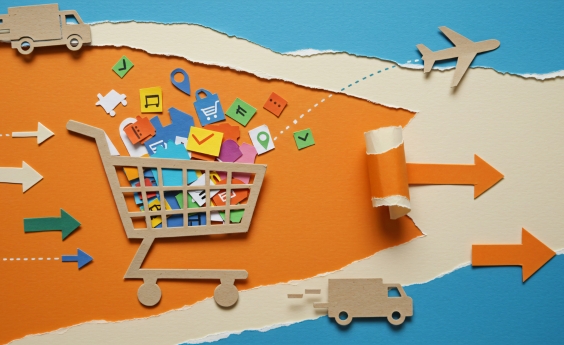
The e-commerce industry has seen explosive growth in recent years, and its trajectory shows no signs of slowing down. As technology continues to evolve, so too do consumer expectations, and businesses must adapt to these changes to stay competitive. Here are some key trends and predictions for the future of e-commerce.
1. Artificial Intelligence and Personalization
Artificial Intelligence (AI) is set to revolutionize e-commerce by enhancing the customer experience through personalization. AI will enable retailers to offer hyper-personalized shopping experiences, from customized product recommendations to tailored marketing campaigns. By analyzing customer data and behavior, AI-powered algorithms can predict what products a consumer is likely to buy, helping businesses target the right customers with the right offers. Over time, this will lead to higher conversion rates and increased customer loyalty.
2. Voice Commerce
With the growing popularity of voice-activated devices like Amazon Alexa, Google Assistant, and Apple Siri, voice commerce is becoming an increasingly important trend in e-commerce. Consumers are increasingly using their voice to search for products, place orders, and track deliveries. In the future, voice commerce will become more integrated into the online shopping experience, making purchases easier for consumers. E-commerce businesses will need to optimize their platforms for voice search to stay ahead of the curve.
3. Augmented Reality (AR) Shopping
Augmented Reality (AR) is transforming the way consumers interact with products online. AR allows customers to visualize products in their real-world environment before making a purchase. For example, furniture retailers use AR to let customers see how a couch will look in their living room, while beauty brands allow users to try on makeup virtually. As AR technology continues to improve, it will become an essential tool for e-commerce businesses, creating more immersive and interactive shopping experiences.
4. Sustainability and Ethical Consumerism
Today’s consumers are becoming more conscious of the environmental and social impact of their purchases. As a result, sustainability will continue to be a driving force in e-commerce. Consumers are increasingly seeking brands that align with their values, such as those offering eco-friendly products, ethical sourcing, and transparent supply chains. E-commerce businesses will need to adopt sustainable practices and communicate their efforts effectively to meet these growing consumer demands.
5. Faster, Smarter Shipping
As customers expect faster delivery times, same-day and next-day delivery will become the norm. In the future, businesses will need to invest in logistics technology, such as autonomous delivery vehicles and drones, to meet these expectations. Additionally, smart warehouses and improved inventory management will allow e-commerce companies to fulfill orders more efficiently.
The future of e-commerce is dynamic, with technology continually reshaping how businesses operate and customers shop. From AI-driven personalization and voice commerce to sustainable practices and AR shopping, staying ahead of these trends will be crucial for companies looking to thrive in the ever-evolving e-commerce landscape.
#ECommerceTrends #FutureOfECommerce #VoiceCommerce #AI #AugmentedReality #Sustainability #OnlineShopping #ECommerceInnovation


